
The research undertaken by our doctoral students is multidisciplinary and international, spanning NERC’s research remit and strengthened by Imperial’s world-leading research setting. In the Research Excellence Framework 2021, Imperial ranked first in the UK for research outputs and first in the UK for research environment.
Navigating climate challenges at scale requires a new generation of environmental scientists with a wide range of skills. By undertaking a PhD through the SSCP DTP, our students learn to effectively communicate and influence their research, driving meaningful impact.
Learn more about some of the cutting edge research taking place within the SSCP DTP:
Our Research Areas
- Climate Science
- Earth and Life Sciences
- Economics and Finance
- Energy and Low Carbon Futures
- Health
- Resources and Pollution
Building on our high-impact research in natural systems prediction, we develop sophisticated tools for forecasting, planning, and interventions.
Student Spotlight: Jacob, Francis, cohort 9
Without proper verification, there’s no way to know if weather models are improving. My research focuses on taking mathematically grounded ideas, often from image and signal processing, and adapting them for verifying precipitation forecasts. This step is essential for developing more reliable models. A common challenge is the “double penalty” problem, where a model is penalised twice for predicting the right event in the wrong place: once for missing the rain, and again for forecasting rain where it didn’t rain.
"My research addresses the double penalty problem by using spatially informed metrics rather than simple ‘hit–miss’ statistics. Specifically, I use optimal transport , which is a mathematical framework for comparing and matching shapes, to more accurately evaluate how well forecasts capture the structure and location of precipitation."
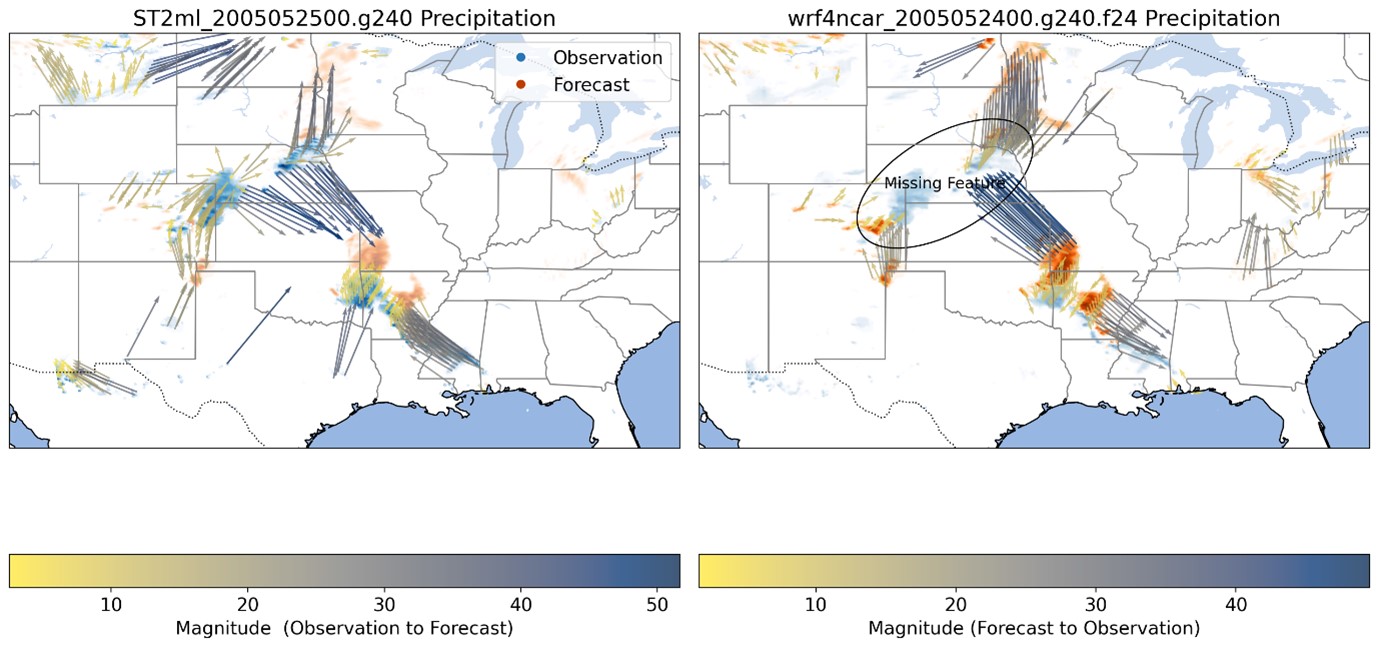
Figure 27 was published in Francis, J. J. M., Cotter, C. J., & Mittermaier, M. P. (2025). Examining entropic unbalanced optimal transport and Sinkhorn divergences for spatial forecast verification. Meteorological Applications, 32(4), e70068. https://doi.org/10.1002/met.70068
Student Spotlight: Alexandra Beikert, cohort 11
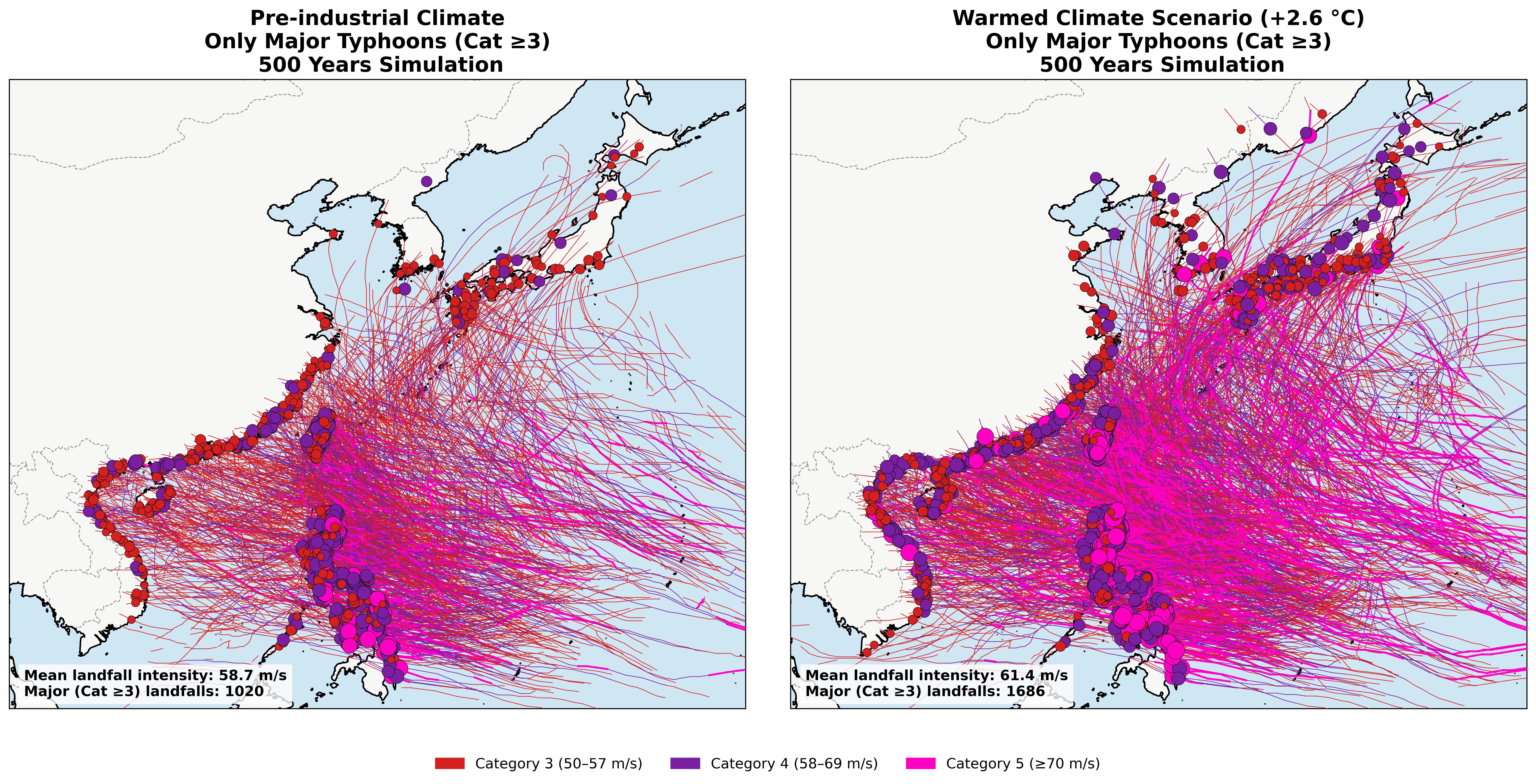
Alexandra researchers how climate change affects tropical cyclone landfalls in the western North Pacific. To overcome limits of observational data, she uses IRIS, a storm simulation tool, to model thousands of years of cyclone activity under different climate scenarios. Her findings suggest that while cyclone numbers stay similar, warmer seas make storms stronger, increasing the risk of major landfalls..
"Our simulations show that warmer oceans make typhoons stronger and more destructive. By modelling thousands of storms, we can predict future risks and help communities prepare for a changing climate."
We apply multidisciplinary strengths to unpick mechanisms and develop mitigation strategies for managing multiple facets of environmental change.
Student Spotlight: Ruiqi Gu, Department of Civil and Environmental Engineering, cohort 10
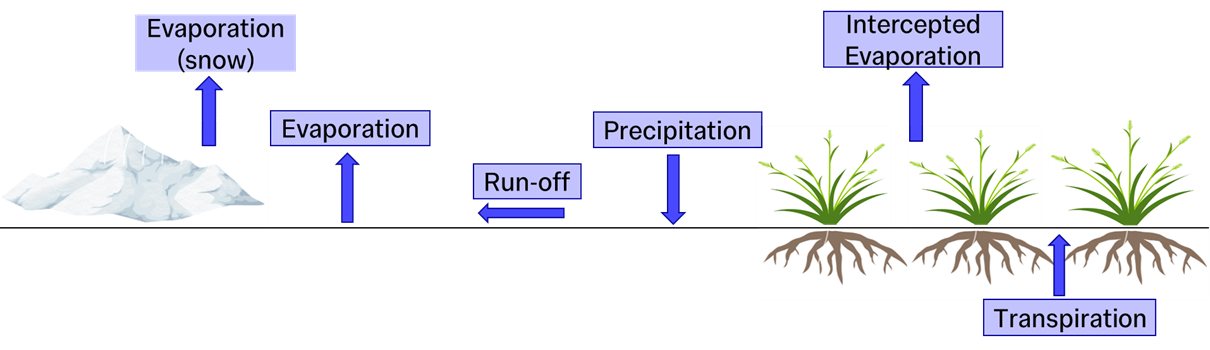
The global ecohydrological cycle is influenced by multiple hydroclimatic and anthropogenic drivers, including rising temperatures, changing precipitation patterns, deforestation and reforestation, agricultural expansion, and large hydropower installations etc.. These changes have raised significant challenges related to water availability, security, and ecosystem alterations. Understanding these processes is essential to support socio-governmental decision-making and to develop effective, integrated mitigation strategies. This research project aims to explore ecohydrological changes in alpine regions through land surface modeling, seeking potential solutions for the alpine Andean region, which currently suffers from limited data availability.
"My primary research aims to understand the changing coupled processes involving water fluxes and vegetation dynamics under shifting climates, complex topography, and spatial heterogeneity in alpine Andean regions. I employ physics-based land surface modeling to capture large-scale processes with high detail. "
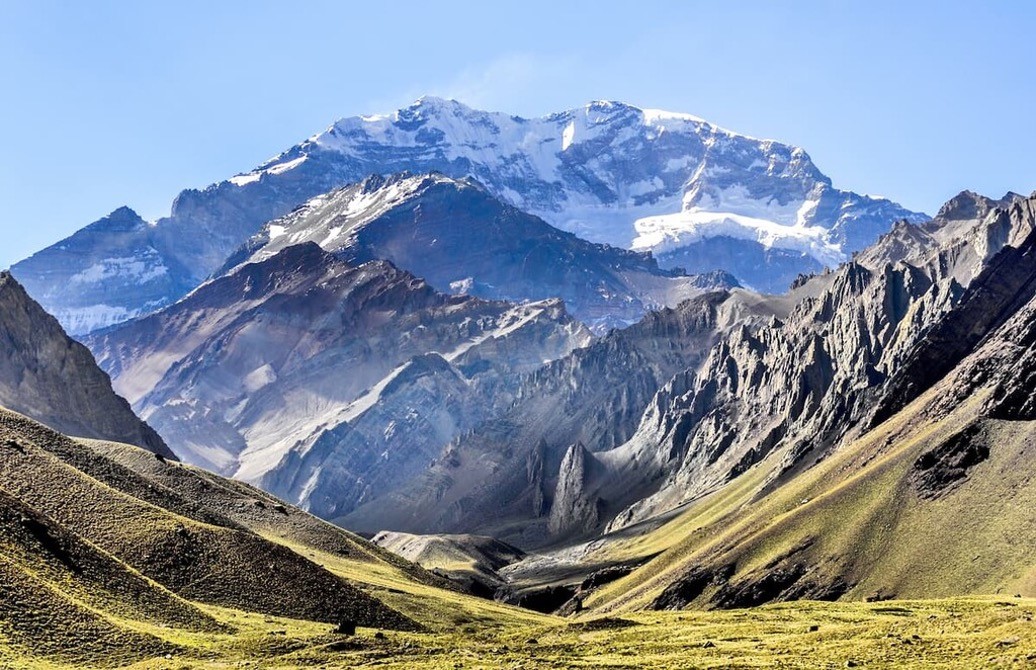
Acangua in the Andes © Daniel Peppes Gauer | Creative Commons Attribution 2.0 Generic
Student Spotlight: Amelia Newman, cohort 11
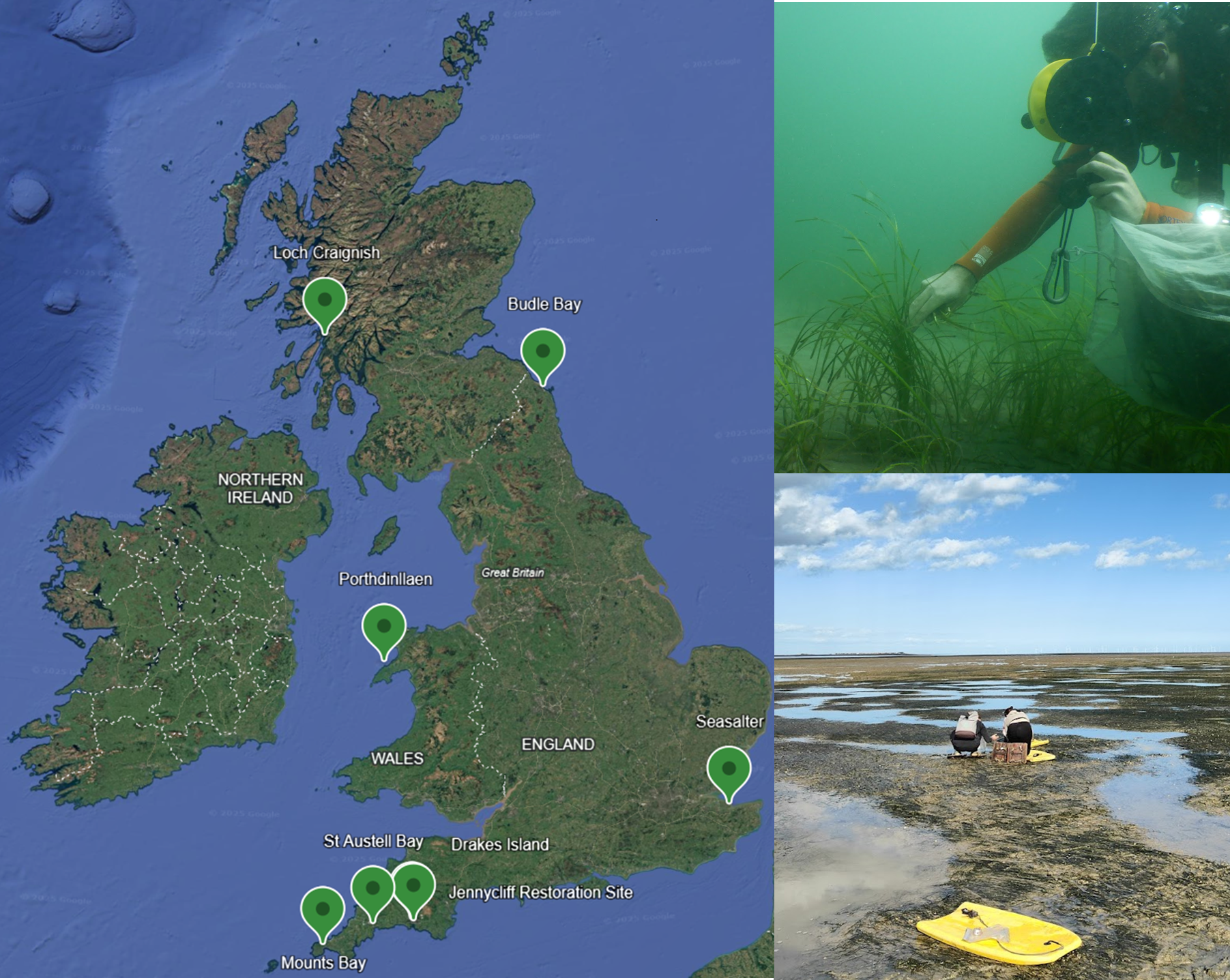
Seagrass, the hidden gem of the marine world! Seagrass can inhabit much of the UK’s coastline, where it supports nursery habitat for fish, reduces coastal erosion, and sequesters carbon. However, seagrass populations are declining globally, and restoration projects are struggling to replace these habitats.
"My research investigates the microbial communities surrounding the UK's common seagrass (Zostera marina) meadows to understand how they influence plant growth and resilience, with the ultimate aim of developing enhanced restoration techniques.”
The SSCP DTP program explores innovative economic and financial mechanisms to drive climate change mitigation. Our research investigates cost-effective pathways for implementing negative emissions technologies and evaluates strategic approaches to accelerate the transition to sustainable infrastructure.
Student Spotlight: Julian Smart, Centre for Environmental Policy, cohort 10
This research develops a quantitative framework to assess the bankability of carbon dioxide removal (CDR) projects by combining Monte Carlo simulation with project finance credit-risk modelling. By translating S&P-style credit assessments into cost-of-capital and levelized cost impacts, it quantifies how policy and contractual mechanisms, such as carbon contracts for difference (CfDs), power purchase agreements (PPAs), and long-term feedstock contracts, can transform the financial viability of emerging carbon removal technologies. The framework bridges climate economics and credit analysis, providing the first evidence-based approach to price, de-risk, and ultimately finance the scale-up of durable CDR.".
"To make carbon removal investable, we must treat financial risk not as a barrier, but as a design parameter that can be priced, managed, and financed."
Student Spotlight: Freddie Stretch, Centre for Environmental Policy, cohort 10
Finance is key to the success of the climate transition, yet money continues to flow into fossil fuels. This research develops the concept of financed carbon leakage: the idea that the financial sectors of perceived climate friendly nations continue to push capital into carbon intensive sectors abroad, despite their green domestic agendas. The end result of the PhD will be a framework to measure the impact of financed emissions at a national level to help policy makers observe and take action on this issue.
"My research explores financed emissions at a national governance level, analysing bi-lateral financial patterns and the continued funding of carbon intensive sectors."
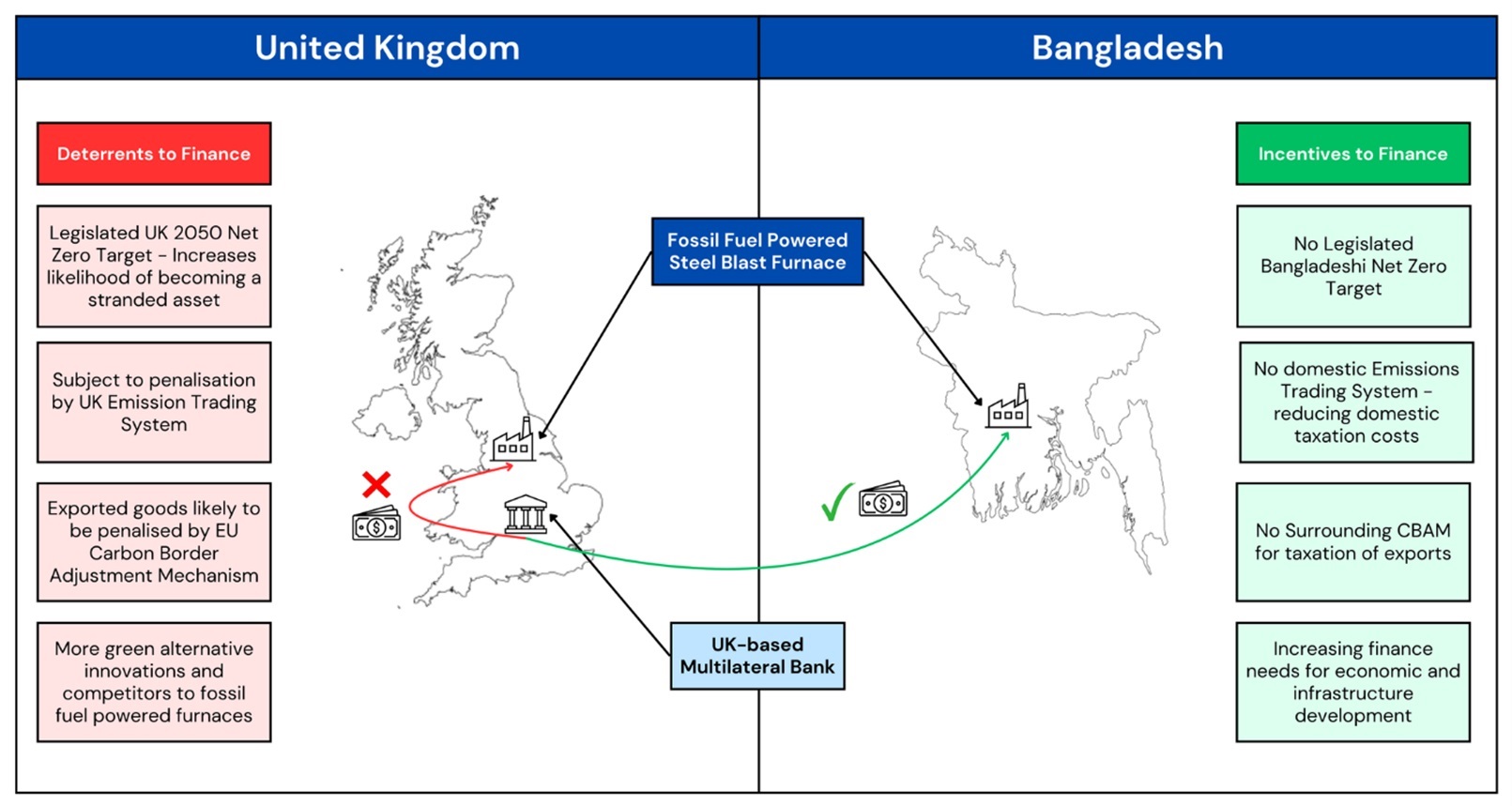
The SSCP DTP delivers cutting-edge research aimed at enabling a just and equitable transition to a low-carbon future. Through innovative approaches and interdisciplinary collaboration, our researchers are developing solutions that balance environmental sustainability with social equity, ensuring no communities are left behind in the global shift towards net-zero emissions.
Research Spotlight: Yulia Yu, Department of Materials, cohort 11
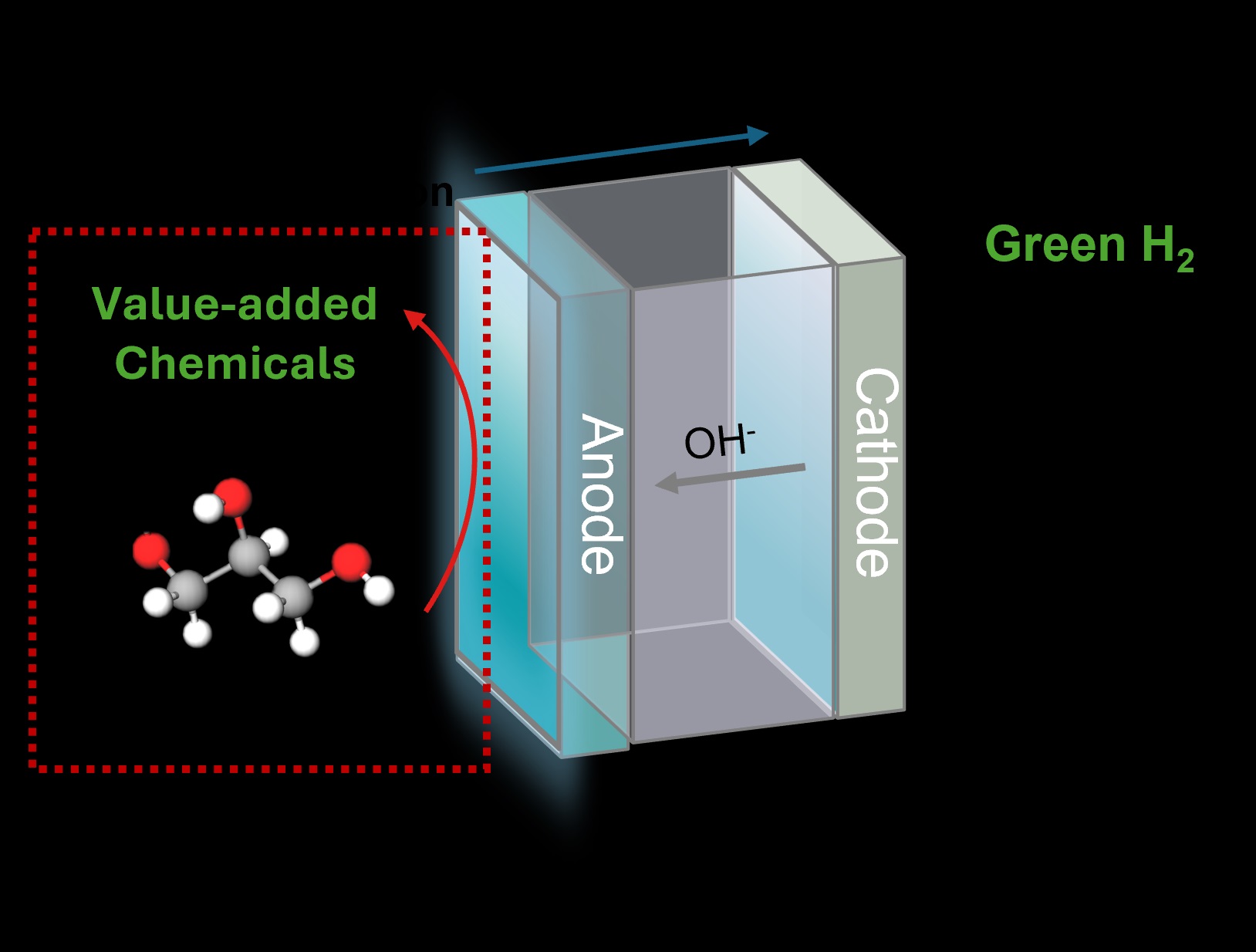
Electrocatalytic biomass valorisation has emerged as a promising green alternative to traditional fossil-fuel–based refinery processes, which are unsustainable due to their reliance on scarce resources, high energy input, and greenhouse gas emissions. In parallel with the rapid expansion of renewable electricity and the drive for a hydrogen economy, hybrid electrolysers have gained attention as an efficient pathway for clean chemical and fuel production. We are developing efficient non-precious metal catalysts for the electrochemical oxidation of glycerol, a by-product of biodiesel production. This process transforms waste biomass into valuable chemicals while producing hydrogen, offering a dual benefit of renewable fuel generation and carbon valorisation.
"My PhD contributes to low-carbon energy futures by exploring electrochemical routes that turn waste into value-added products and energy carriers, supporting a circular and sustainable energy economy.''
Research Spotlight: Maryam Sadat Maddah Sadatieh, Department of Civil Engineering, cohort 9
Maryam's research investigates how vegetation and weather interact with the ground to influence slope stability and long-term slope behaviour. By advancing our understanding of Soil-Plant-Atmosphere Interactions, her work supports the development of low-carbon, nature-based solutions that enhance slope resilience in a changing climate.
The SSCP DTP program combines cutting-edge research in natural systems prediction with practical tool development, focusing on improving global health outcomes through advanced forecasting and intervention strategies.
Research Spotlight: Yiran Wang, School of Public Health, cohort 10
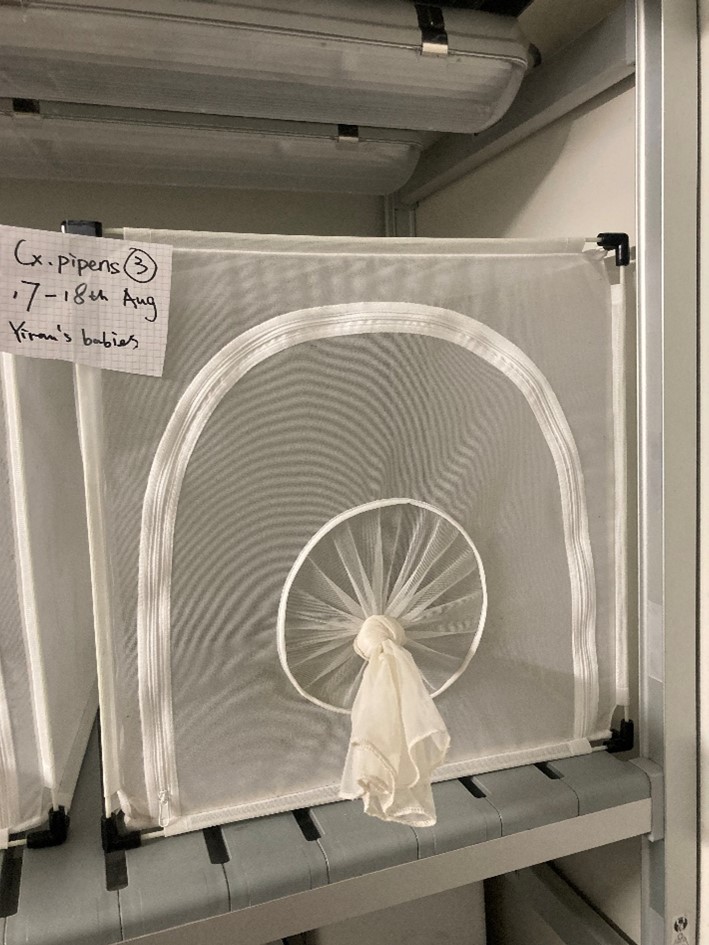
Climate change is intensifying the risk and global health burden posed by mosquito‑borne diseases such as West Nile virus (WNV). Across Europe, WNV outbreaks have become more frequent and widespread, and the recent first detection of WNV in UK mosquitoes underscores the urgent need to characterise transmission dynamics and to develop robust, climate‑informed risk forecasts that support proactive surveillance and control.
"My work investigates West Nile virus transmission in northern Italy in the context of climate change and biodiversity loss, integrating laboratory experiments on temperature‑dependent mosquito life‑history traits, spatiotemporal analyses of how host biodiversity shapes transmission risk, and compartmental epidemiological modelling to characterise disease dynamics, anticipate spillover to humans, and inform public‑health practice."
Research Spotlight: Igor Pantea, School of Public Health, cohort 11
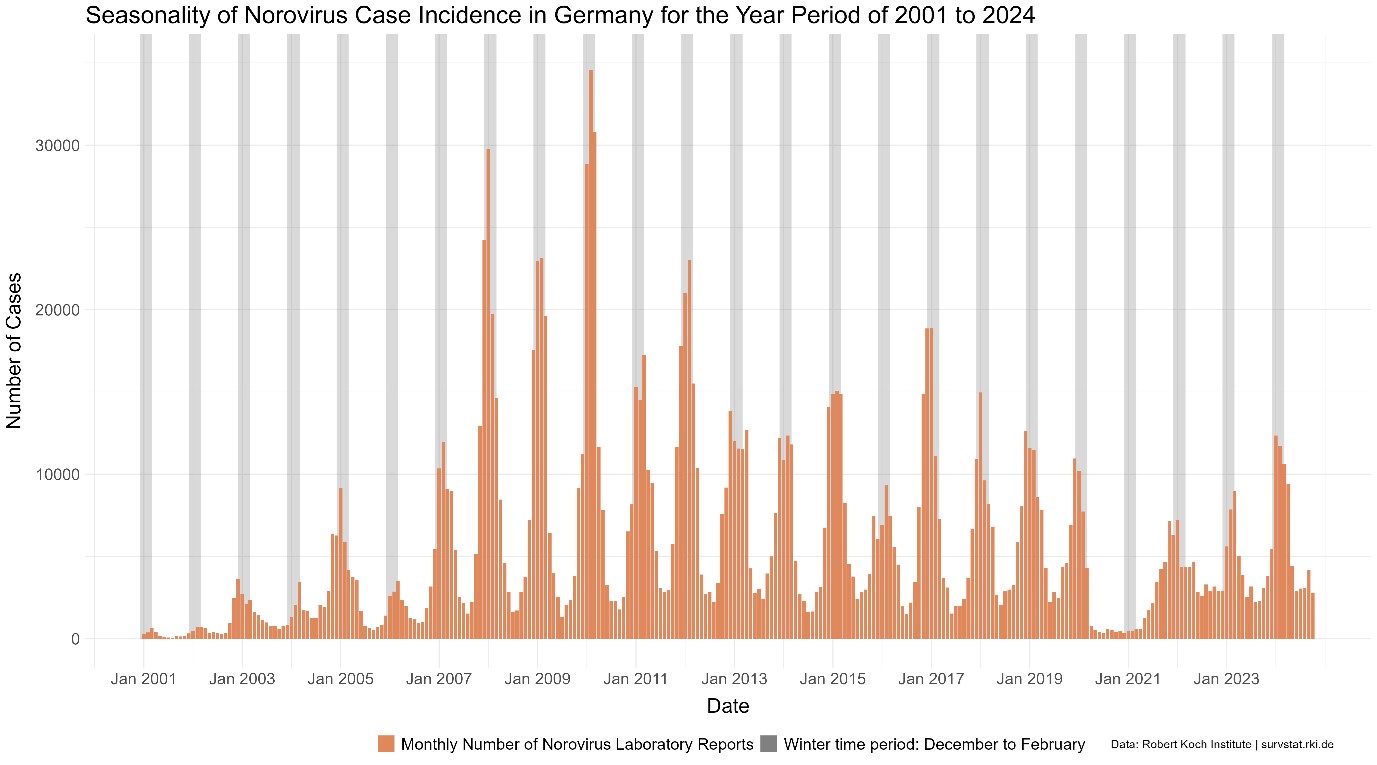
Norovirus, a highly infectious gastrointestinal pathogen causing annually 685 million estimated number of cases, transmits more during certain periods of the year, specifically in the colder periods of temperate and continental climates. It remains unclear if this seasonality appears as a result of changing patterns of social mixing or environmental transmission, and whether climate is a mechanistic or a purely associative factor. However, by untangling the drivers of incidence seasonality from each other, we will be able to propose more efficient measures of interventions that will benefit public health.
"By modelling climate and environmental drivers of norovirus transmission, we hope to be able to project trends in the number of infections and to inform the mechanisms facilitating the transmission of the virus, that then can inform and optimise intervention measures."
We work to quantify resources, understand their dynamics and interactions with human activities, and develop new solutions to enhance their benefits.
Research Spotlight: Catalina Cruanias Paniker, Department of Life Sciences, cohort 10
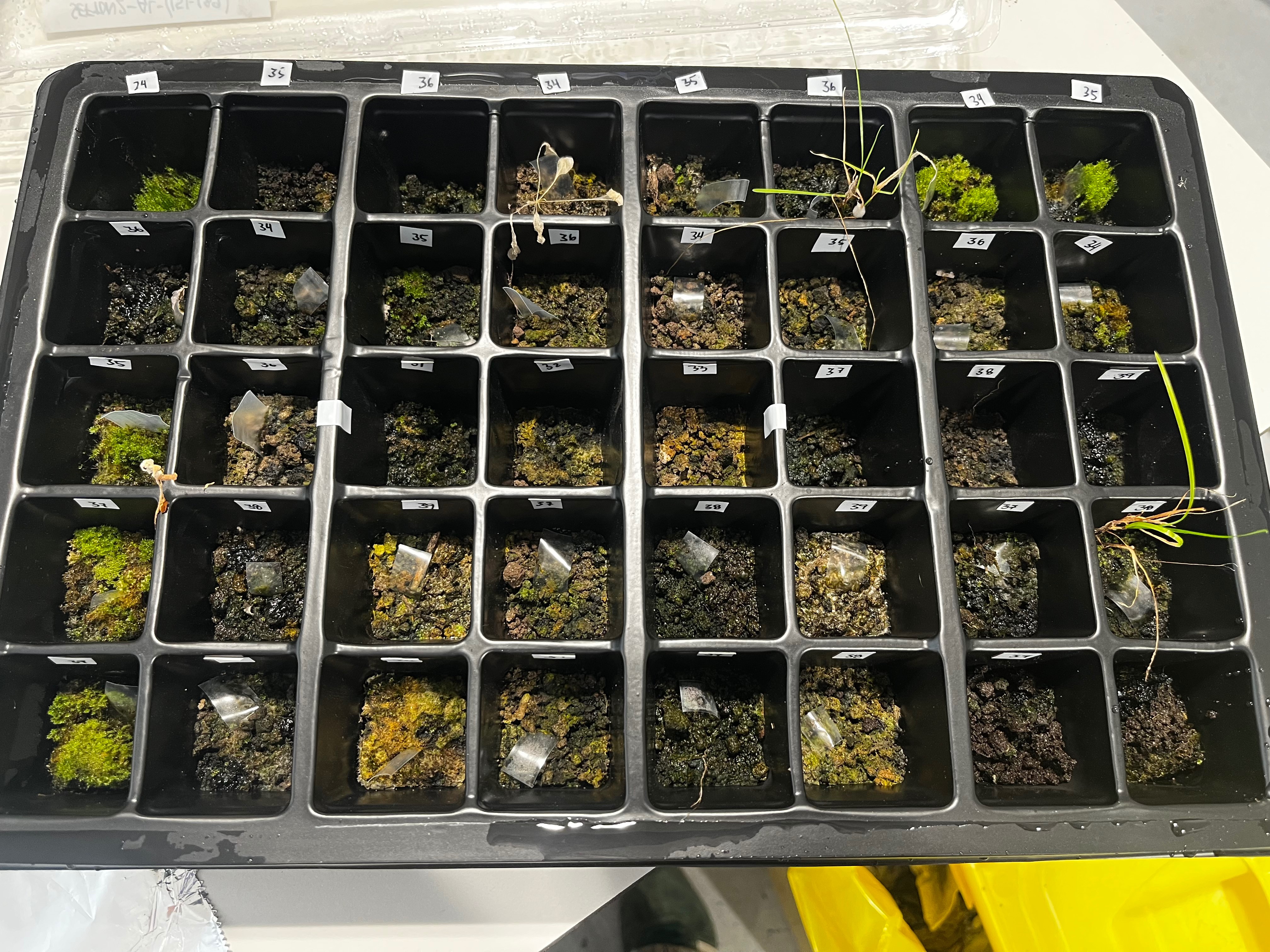
Even with global efforts to curb plastic production and reduce dependency on finite resources, the vast quantities of plastic waste already contaminating our environment will persist for decades. This makes it imperative to both reduce mismanagement and littering, and to understand and quantify the environmental impacts of accumulated plastic waste. My PhD research addresses this challenge by focusing on how polyolefin pollution affects the UK soil microbiome, with implications for ecosystem health and agricultural productivity. Additionally, I am investigating the impact of biodegradable additives used in some polyolefin materials—an area that remains largely unexplored despite their increasing use in soil environments.
"In our efforts to measure biodiversity for ecosystem restoration and management, the soil microbiome is often overlooked. Only recently has it begun to receive the attention it deserves as a key player in nutrient cycling, carbon sequestration, plant health, and disease suppression. Therefore, I am excited to be researching how something as ubiquitous as plastic pollution affects this precious and fundamental resource: healthy soils.”
Research Spotlight: Monica McCall, Department of Earth Science and Engineering, cohort 9
Carbon dioxide removals (CDR), technologies or approaches that remove CO2 from the atmosphere, are essential to achieve net zero. Biochar, a novel method of CDR, has been shown to lock away carbon for thousands of years. However, further research is needed to understand how much carbon can be sequestered by biochar, what production processes lead to the best outcomes, and what exactly happens to biochar when applied in soil environments.
"My PhD tests different types of biomass and organic waste in biochar production. Not only a CDR method, application of biochar onto soils improves vegetation yield, water retention, and soil fertility, thereby reducing demand for irrigation and synthetic fertilisers. Biochar production allows for the valorisation of waste and storage of CO2 simultaneously, rendering it a valuable resource in the circular economy."
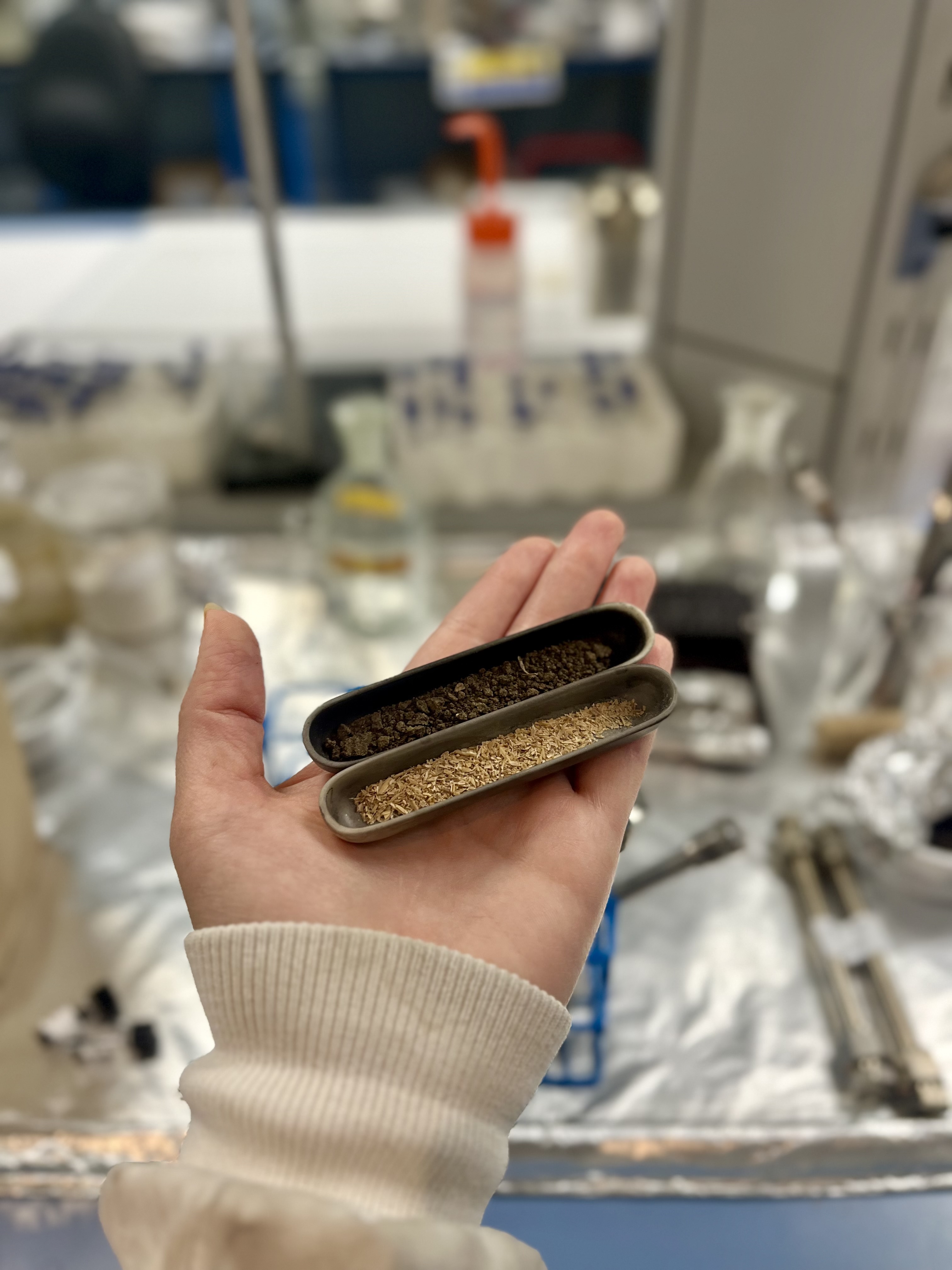
Biochar made of waste rice husk (top) compared to the starting material (bottom).
Stay Connected
Our blog features insights from staff and students across Imperial College London working on climate and environment issues.